

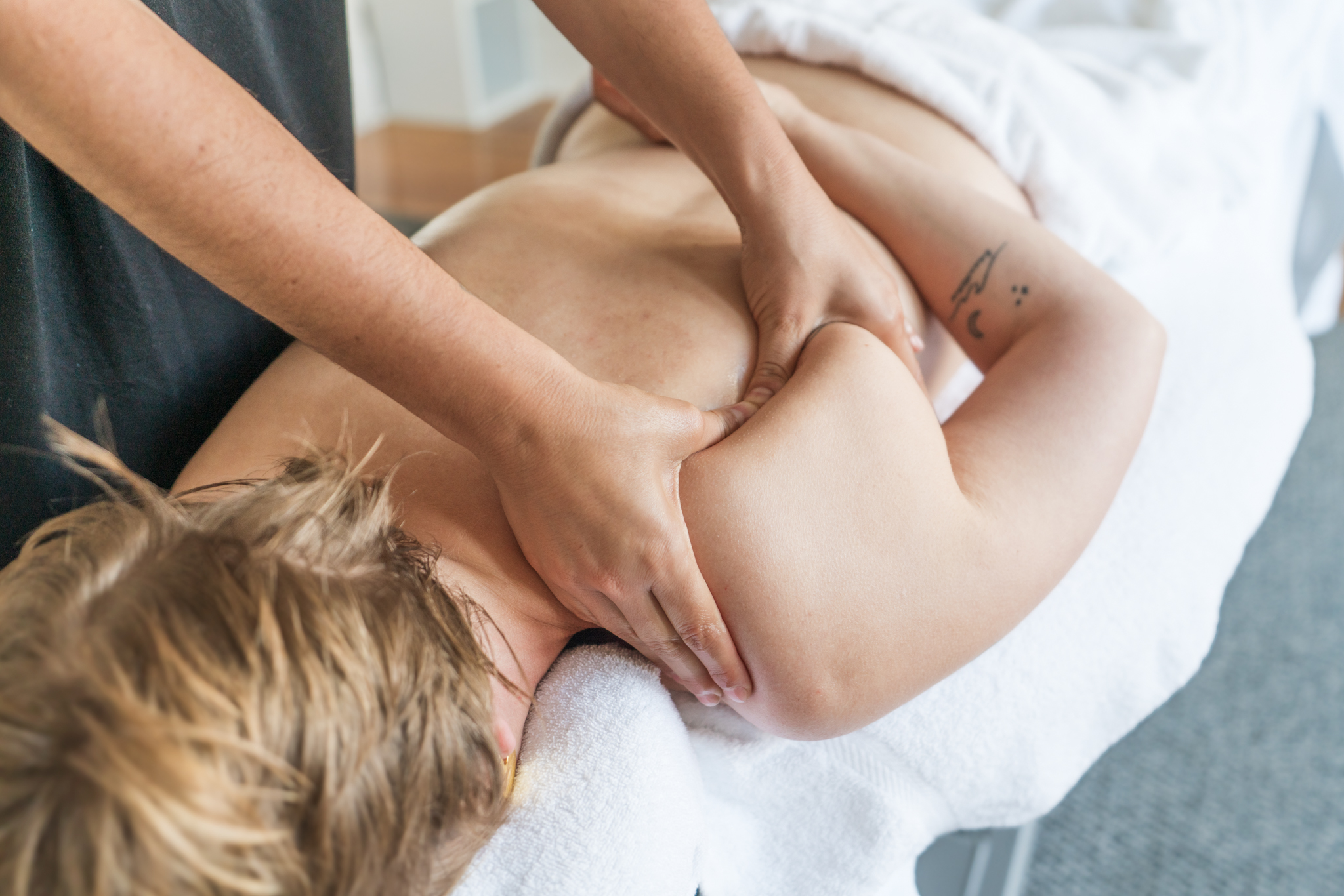
Lymphatic massage, also known as manual lymphatic drainage, is a gentle and specialised form of massage designed to support the body’s lymphatic system.
This system plays an important role in maintaining fluid balance, supporting immune function, and helping the body remove waste products from tissues.
Unlike many massage techniques that focus on muscle tension, lymphatic massage uses light, rhythmic movements to encourage the natural flow of lymph fluid through the body.
For many people, this can help reduce swelling, improve circulation and support overall wellbeing.
What Is Lymphatic Massage?
Lymphatic massage is a treatment that encourages the movement of lymph fluid, a clear fluid that carries waste products, proteins and immune cells through the body.
The lymphatic system works alongside the circulatory system but operates differently. While blood is pumped by the heart, lymph fluid moves more slowly and relies on muscle movement, breathing and gentle pressure to circulate.
Through carefully directed strokes and very light pressure, a trained therapist can help stimulate this flow and assist the body’s natural drainage pathways.
Because lymph vessels sit close to the surface of the skin, lymphatic massage is typically much gentler than deep tissue or remedial massage.
Why the Lymphatic System Is Important
The lymphatic system is a key part of maintaining healthy body function. It plays several important roles, including:
Immune support – transporting white blood cells throughout the body to help fight infection.
Fluid balance – collecting excess fluid from tissues and returning it to the bloodstream.
Waste removal – assisting the body in clearing cellular waste and metabolic by-products.
When lymph flow becomes sluggish or restricted, fluid can build up in tissues, which may lead to swelling, heaviness or discomfort.
Lymphatic massage helps encourage the natural movement of this fluid.
Key Benefits of Lymphatic Massage
Reduced Swelling and Fluid Retention
One of the most recognised benefits of lymphatic massage is its ability to help reduce swelling.
Gentle techniques can encourage excess fluid to move through lymphatic pathways, which may help relieve puffiness in areas such as the legs, ankles or abdomen.
This is particularly helpful for people who experience fluid retention from travel, sedentary work or certain medical procedures.
Support for the Immune System
Because the lymphatic system is closely linked to immune function, supporting healthy lymph flow may help the body respond more effectively to illness.
While massage itself does not “boost immunity” in a direct sense, maintaining good lymph circulation supports the normal functioning of the immune system.
Improved Circulation
Lymphatic massage encourages the movement of fluids through the body’s natural drainage pathways.
Improved circulation of lymph fluid may help tissues receive nutrients more efficiently while assisting the body in clearing metabolic waste.
Post-Surgical Recovery Support
Lymphatic drainage techniques are often used to assist recovery after certain surgical procedures.
Following surgery, swelling and fluid accumulation are common. Gentle lymphatic techniques may help support the body’s natural healing process by encouraging fluid movement away from affected areas.
It’s always important to seek guidance from your healthcare provider before receiving massage following surgery.
Reduced Feelings of Heaviness or Bloating
When excess fluid accumulates in tissues it can create sensations of heaviness or pressure.
Lymphatic massage can help promote fluid movement and may reduce these sensations, leaving many clients feeling lighter and more comfortable after treatment.
Relaxation and Stress Reduction
Although lymphatic massage is often used for therapeutic reasons, the treatment itself is deeply calming.
The gentle, rhythmic movements used during lymphatic massage can help encourage relaxation and activate the body’s natural rest-and-recovery response.
Many people report feeling both physically lighter and mentally calmer after a session.
How Lymphatic Massage Works
Lymphatic massage follows the natural pathways of the lymphatic system.
Therapists use slow, rhythmic movements that gently stretch the skin in specific directions. These movements help guide lymph fluid toward major lymph nodes located in areas such as the neck, underarms and groin.
Key characteristics of lymphatic massage include:
- Very light pressure to avoid compressing lymph vessels
- Slow, rhythmic movements that mimic the body’s natural lymph flow
- Structured sequences designed to clear central pathways before working on surrounding areas
Because the lymphatic system sits just beneath the skin, firm pressure is unnecessary and can actually be counterproductive.
Who Might Benefit from Lymphatic Massage?
Lymphatic massage may be helpful for people experiencing:
- Mild swelling or fluid retention
- Feelings of heaviness in the legs
- Post-surgical swelling (with medical clearance)
- Fatigue or general sluggishness
- A desire for gentle therapeutic bodywork
However, lymphatic massage may not be suitable for everyone. People with certain medical conditions should consult their doctor before treatment.
Supporting Your Wellbeing Naturally
Lymphatic massage offers a gentle and supportive way to assist the body’s natural processes.
By encouraging healthy lymph flow, the treatment may help reduce swelling, support recovery and promote a greater sense of physical comfort.
When combined with healthy lifestyle habits such as regular movement, hydration and balanced nutrition, lymphatic massage can become a valuable part of a broader wellbeing routine.