

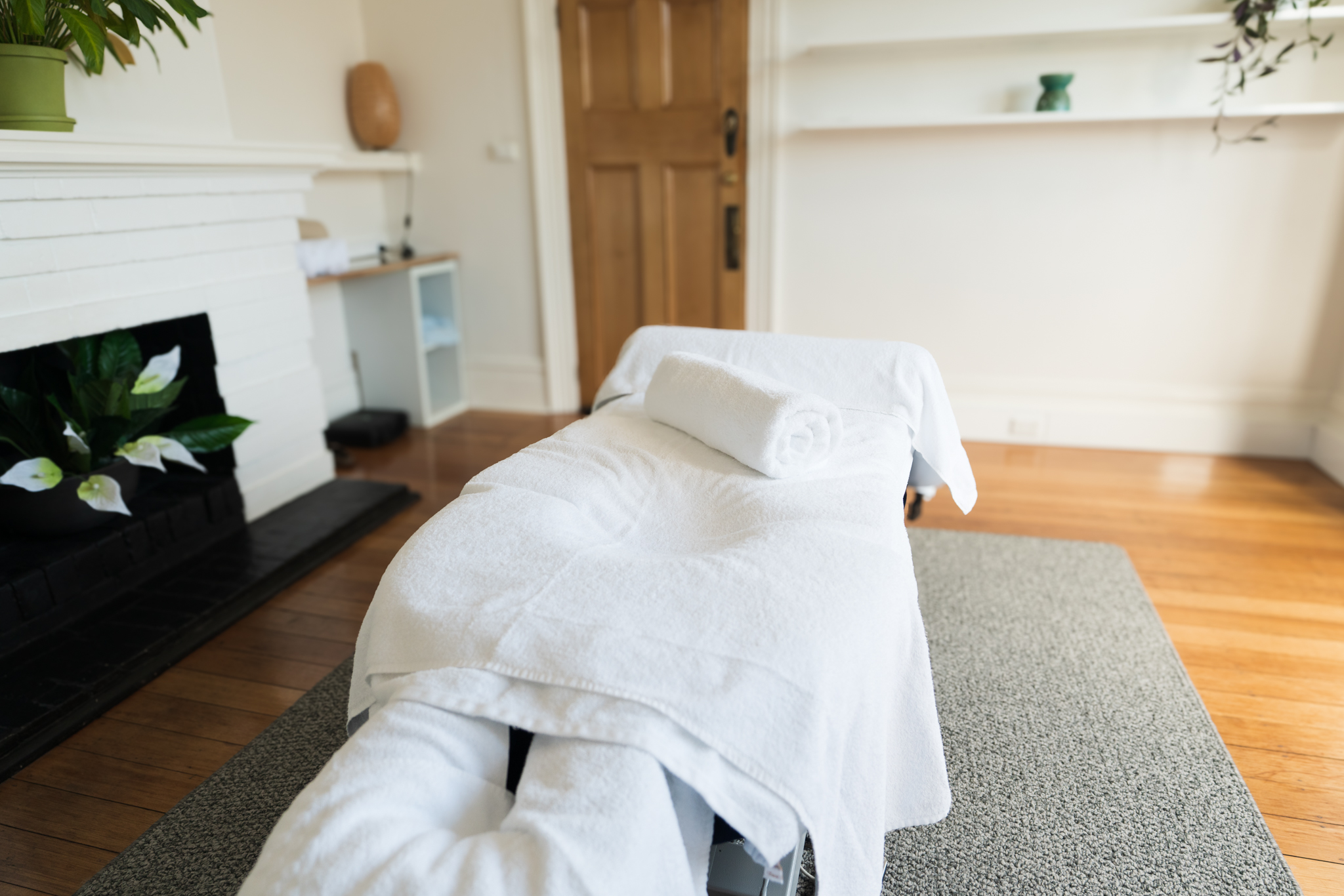
Welcoming a new baby is an extraordinary experience, but the physical demands of pregnancy, labour and caring for a newborn can leave many mothers feeling exhausted, sore and overwhelmed.
During the weeks and months after birth, the body is working hard to recover and adjust. Muscles that supported pregnancy are readjusting, hormones are changing rapidly, and daily routines often involve lifting, feeding and carrying your baby.
Postnatal massage is a gentle and supportive treatment designed to help mothers recover physically and emotionally during this important period.
What Is Postnatal Massage?
Postnatal massage (sometimes called postpartum massage) is a specialised form of massage therapy tailored to the needs of mothers after childbirth.
While it shares some techniques with other forms of massage, postnatal treatments focus on the specific physical changes that occur after pregnancy and birth.
These treatments commonly address areas such as:
- The lower back and hips
- Neck and shoulders
- Abdominal muscles
- Legs and feet
- Areas affected by feeding or carrying your baby
The aim is to reduce muscle tension, improve circulation and support the body’s natural recovery process.
When Can You Have a Massage After Birth?
The appropriate time to begin postnatal massage depends on your individual recovery and the type of birth you experienced.
After Vaginal Birth
For uncomplicated vaginal births, gentle massage is often suitable within the first one to two weeks after delivery.
Some mothers prefer to wait until their body feels more settled, while others find early massage helpful for relieving muscle tension and fatigue.
After Caesarean Birth
If you have had a caesarean section, it is usually recommended to wait until initial healing has taken place before beginning massage. This is often around two weeks after surgery, though your healthcare provider can advise on what is appropriate for your situation.
Massage can initially focus on areas such as the back, shoulders and legs while avoiding the surgical site until healing has progressed.
Later Postpartum Care
Even months or years after childbirth, massage can still help address lingering muscle tension or postural strain related to pregnancy and caring for young children.
Common Physical Challenges After Pregnancy
Pregnancy and childbirth place significant demands on the body. Many mothers experience ongoing physical discomfort as they adjust to life with a newborn.
Common concerns include:
- Back pain from lifting and carrying your baby
- Shoulder and neck tension from feeding positions
- Hip discomfort following pregnancy
- Fatigue and general muscle soreness
- Swelling or fluid retention
Postnatal massage can help address these issues by gently releasing muscle tension and supporting circulation.
Benefits of Postnatal Massage
Relief from Muscle Tension
Feeding, holding and carrying your baby can place repeated strain on the neck, shoulders and upper back.
Massage can help release tight muscles and ease discomfort in these commonly affected areas.
Improved Circulation
Massage stimulates circulation throughout the body, helping deliver oxygen and nutrients to recovering tissues.
Improved circulation can support the body’s natural healing process following pregnancy and childbirth.
Reduced Swelling
Some mothers experience swelling or fluid retention after pregnancy. Gentle massage techniques may assist lymphatic flow and help reduce this discomfort.
Support for Posture
As you adjust to new routines with your baby, posture can change significantly. Feeding positions and lifting can contribute to muscle imbalance.
Massage may help release tight muscles that affect posture and encourage greater comfort during daily activities.
Relaxation and Emotional Wellbeing
The early months of motherhood can be physically and emotionally demanding.
Massage provides an opportunity to pause, relax and focus on your own wellbeing. Many mothers find that even a short period of rest and therapeutic touch can help reduce stress and promote a sense of calm.
What to Expect During a Postnatal Massage
A postnatal massage session usually begins with a short consultation to discuss your birth experience, recovery and any areas of discomfort.
Positioning is adapted to ensure comfort. Depending on how your body feels, you may lie on your back, side or stomach with supportive cushions.
Massage techniques are typically gentle and nurturing, focusing on relieving muscle tension and encouraging relaxation. The treatment can be adjusted throughout the session to suit your comfort level.
Caring for Yourself During the Postnatal Period
The weeks and months after childbirth are a time of significant change. While much of your focus will naturally be on caring for your baby, it is equally important to care for your own wellbeing.
Rest, gentle movement, proper nutrition and supportive treatments such as massage can all play a role in helping your body recover.
Taking time to support your physical recovery can help you feel stronger, more comfortable and better able to enjoy this new stage of life.